Why Should Bay Area Investors Consider Sacramento Multi-Family Properties?
August 13, 2026
Real Estate
August 13, 2026
Real Estate
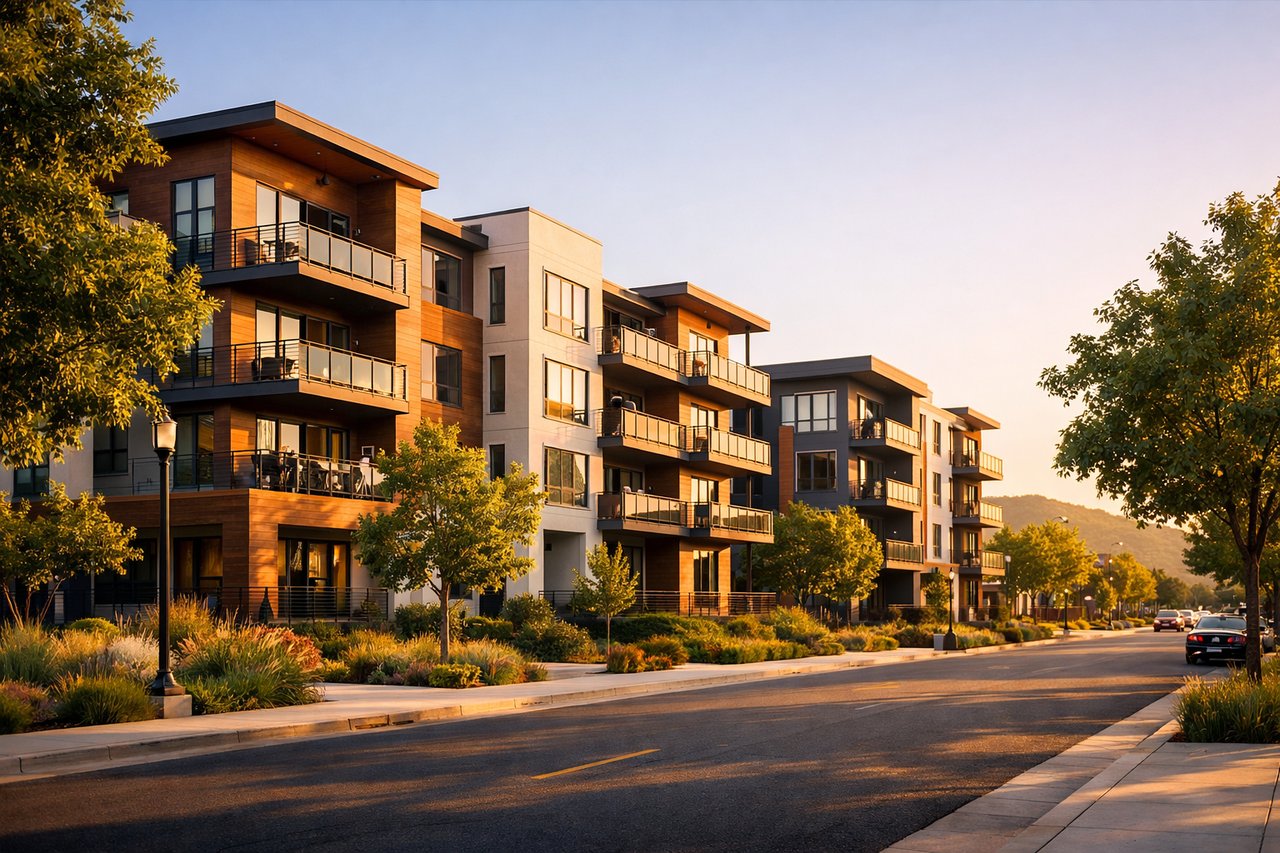
San Francisco and Peninsula property owners should consider Sacramento multi-family investments because they offer significantly higher returns—typically 5.25% to 6.77%—compared to the tight 3.88% yields common in the Bay Area. You can safely trade low-yield coastal equity for better cash flow and affordable Sacramento real estate without paying immediate capital gains taxes.
Multi-family properties on the San Francisco Peninsula are currently among the tightest-yielding investments in the country. According to late 2025 and 2026 data from Bisnow, Peninsula average capitalization (cap) rates sit at a low 3.88%. For San Francisco investors, this translates to an approximate 26-year breakeven timeline on capital before tax adjustments.
By contrast, if you are looking to buy a house in Sacramento or pick up a small apartment complex, the returns are much friendlier. In suburban markets like Elk Grove, multi-family properties offer cap rates ranging from 5.25% to 6.77%, as noted by Apartment Loan Store. The gross rent-to-value ratio in San Francisco hovers around 3.5%, making it tough to generate positive cash flow without a massive down payment. Meanwhile, Sacramento delivers a gross rent-to-value ratio closer to 5.0%, with a median entry price of $450,000 to $500,000—a 58% lower entry basis than the typical $1.2 million-plus needed in the Bay Area.
Real estate value is always driven by supply and demand, a concept anyone investing in Silicon Valley or San Francisco understands deeply. In mid-2026, Sacramento is experiencing a very favorable supply contraction that protects property owners. According to a Q2 2026 report by Kidder Mathews, the number of multi-family units under construction in Sacramento dropped by a massive 53.05% year-over-year. This sharp reduction in new development cushions existing apartment communities from oversupply and keeps asking rents wonderfully stable.
Demographics in the Greater Sacramento area also paint a bright picture for landlords. Over the last five years, Sacramento County's population grew by 5.5%. Suburbs like Elk Grove are particularly appealing, boasting a median household income of $90,770—more than 50% above the national average. For investors shifting capital out of San Jose or the East Bay, these high incomes mean stable tenants, consistent rent collection, and low turnover.
Selling a long-held investment property in San Francisco, Oakland, or the Peninsula can trigger up to 13.3% in California state income tax, plus federal capital gains and depreciation recapture. However, you can seamlessly defer 100% of these taxes using an IRC Section 1031 exchange. Here is a simple four-step process for a smooth transition:
Before you close the sale on your San Francisco property, you must select a Qualified Intermediary (QI). They will safely hold your net proceeds to ensure you never touch the funds, which keeps your tax-deferred status intact.
While looking at homes for sale in Sacramento, narrow down your submarkets based on your goals. Midtown and East Sacramento are excellent for historic 4- to 20-unit buildings catering to young professionals. Alternatively, Elk Grove and South Sacramento are perfect for 5- to 15-unit garden-style complexes that attract long-term family renters.
When underwriting your new investment, avoid overly aggressive projections. Plan for a modest 1% to 3% annual rent growth and budget for a 6.5% to 7.0% structural vacancy rate. The most reliable strategy in 2026 is finding properties from the 1980s or 1990s that just need a little love—like modern fixtures or luxury vinyl plank flooring—to gently increase rents by $100 to $250 per month.
The biggest hurdle in a 1031 exchange is the clock. You have exactly 45 days after selling your Bay Area asset to identify your replacement property, and 180 days to finish the purchase. Working with a cohesive team ensures these strict deadlines are met easily.
Juggling a property disposition in San Mateo while simultaneously hunting for the perfect multi-family acquisition in Sacramento can feel overwhelming. You need local expertise on both ends, which is where Kinetic Real Estate provides a warm, guiding hand.
As a fully integrated dual-market brokerage, Kinetic Real Estate removes the stress of acting as a middleman between two separate agents. Our San Francisco and Peninsula teams work tirelessly to position your Bay Area listing for top dollar. At the very same time, our local Sacramento advisors are already scouting off-market opportunities and vetting multi-family yields to ensure a perfect property is waiting for you before your 45-day identification window even opens.
With over 1,200 properties sold and more than 500 five-star reviews from happy clients, Kinetic Real Estate holds a proven track record of making cross-regional capital transfers a breeze. You gain the advantage of one unified team managing your tax strategy, escrow timing, and property handoff from the Bay Area to the Central Valley.
Stay up to date on the latest real estate trends.

October 20, 2026
Considering a move from San Francisco to the Peninsula? Our guide helps you find the perfect home, understand sunny microclimates, and master your daily commute.

October 17, 2026
Discover why the teamerage model at a residential real estate brokerage helps Bay Area buyers and sellers succeed through dedicated specialists and expertise.
October 15, 2026
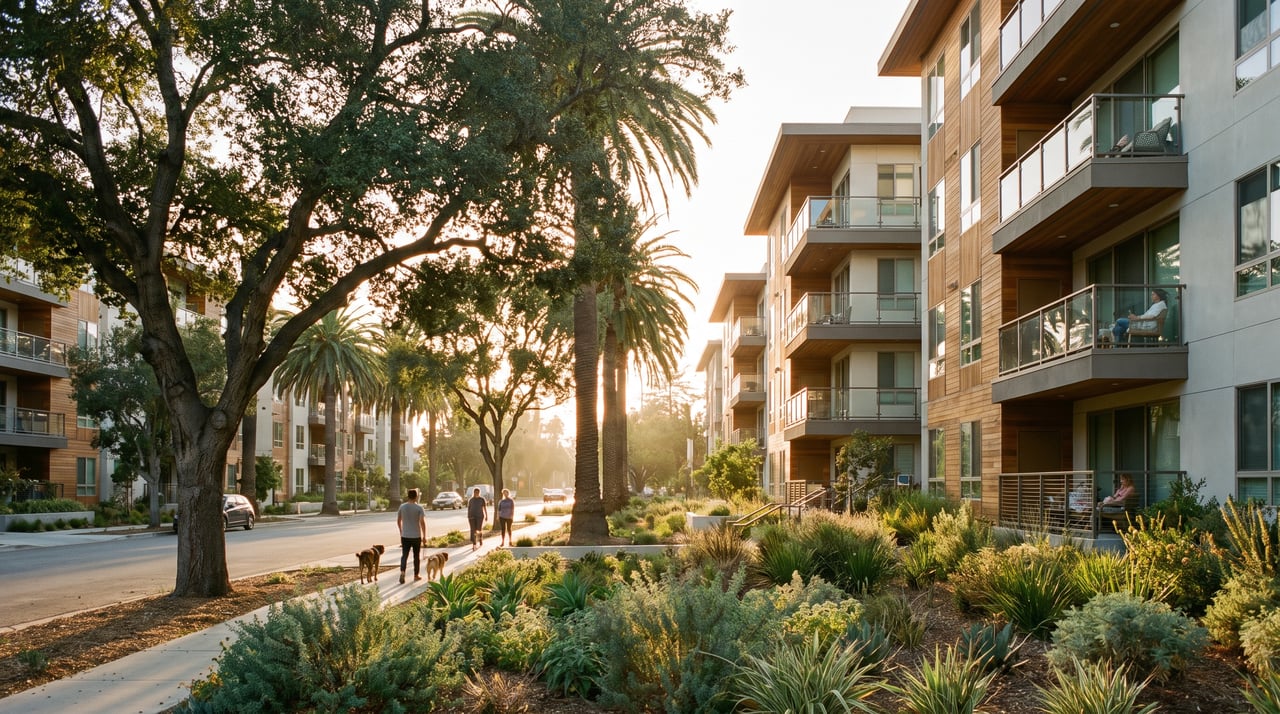
Unlock better cash flow with our Sacramento multi-family playbook. Learn how Bay Area investors are trading coastal equity for higher yields in Sacramento today.

October 13, 2026
Explore how modern Bay Area team brokerages support agents with integrated staff. Discover why real estate agents and brokers prefer a team-based approach now.

October 10, 2026
Selling a home in Daly City, Pacifica, or South San Francisco costs 5.2% to 7.5%. Learn how local San Mateo County customs help you keep more of your hard equity.

October 8, 2026
Learn how professional staging and real estate video marketing boost net proceeds for Bay Area sellers. Trust our team, DRE# 01981755, to secure your best result.

October 5, 2026
Why choose a realtor brokerage over a solo agent? See how Kinetic Real Estate's team-based approach secures faster sales for sellers in the Bay Area today.
October 2, 2026
Searching for a selling realtor? Discover which top Bay Area brokerages include professional staging and cinematic video to make your listing shine in the market.

September 30, 2026
Discover why finding a local real estate agent broker matters for your move. We help you navigate San Francisco and Peninsula markets with deep local expertise.
You’ve got questions and we can’t wait to answer them.